
Jul 15, 2026
Keith Groff Saw Atlantic City's Residential Development Potential Before Many Others
By:
Andrew Kramer
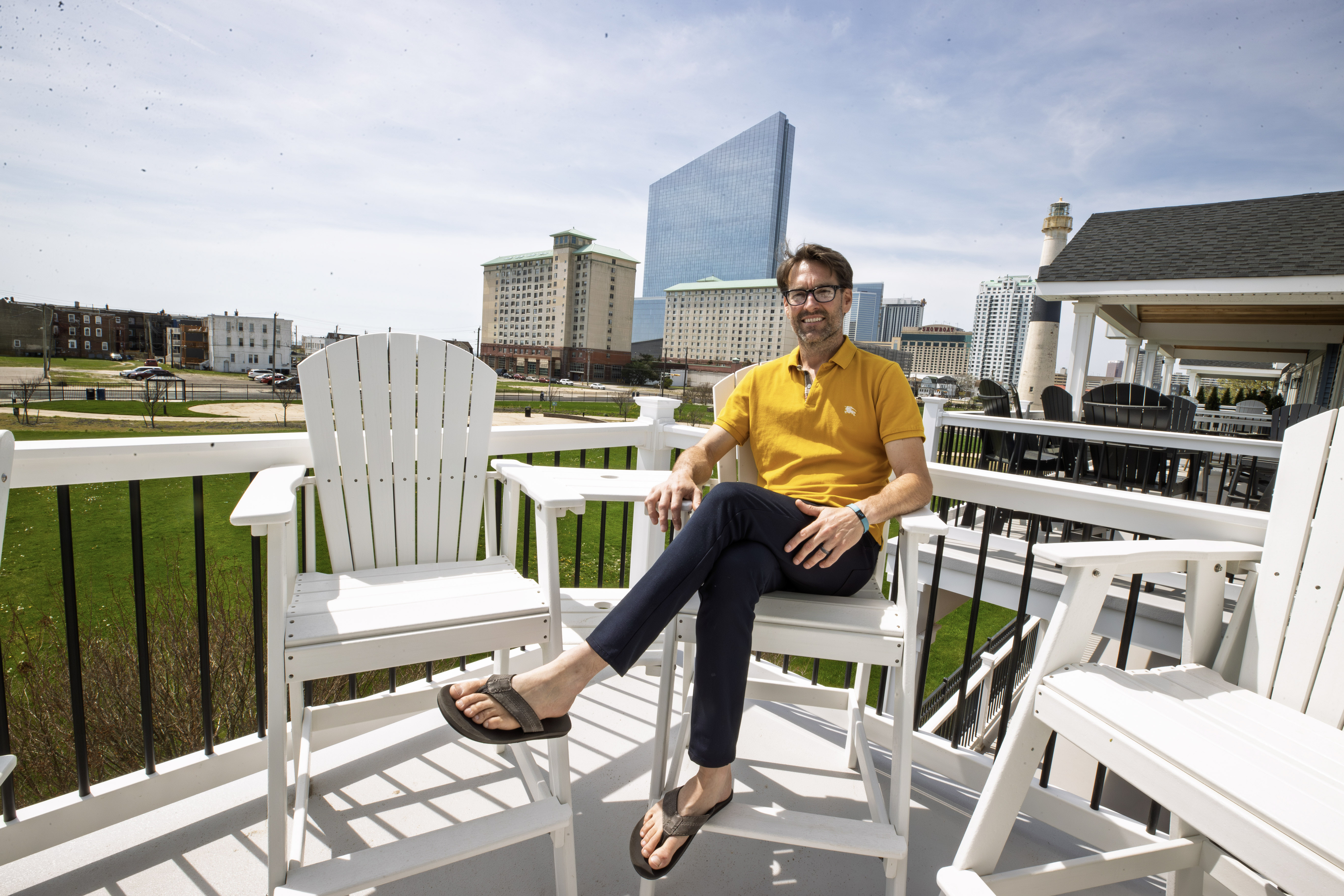
Long before luxury townhomes began rising across Atlantic City neighborhoods, Keith Groff saw something many others overlooked.
He saw opportunity.
Today, as Atlantic City experiences a surge in residential and mixed-use development, Groff is among the developers whose early vision helped lay the foundation for the momentum the city is currently seeing.
His story is about believing in a neighborhood, investing in a community, and helping redefine what Atlantic City could become.
Falling in Love with the Inlet
Like many visitors from South Jersey, Groff grew up spending summers down the shore. In the early 2000s, while flipping homes throughout the region, he began noticing something that caught his attention: Real estate in Atlantic City offered remarkable value.
That affordability initially brought him to town, but it wasn't what convinced him to stay.
"I ended up falling in love with the city not because it was affordable—that's what got me here initially—but fell in love with the city because of the neighborhood," Groff said. "I love the Inlet and never looked back."
In 2002, he purchased a home on Massachusetts Avenue and moved to Atlantic City's Inlet full time (he has since relocated full time but still lives close to Atlantic City). It was there that he immersed himself in the community, eventually meeting his wife and building lasting relationships that reinforced his belief in the neighborhood's future.
At a time when many viewed the Inlet primarily through the lens of what it lacked, Groff focused on what it could become.
A Vision Takes Shape
As Groff continued investing in Atlantic City, one dream never left his mind.
Standing on a property overlooking the Absecon Lighthouse, he imagined families gathering on balconies with sweeping views of the ocean, the lighthouse, and the Atlantic City skyline.
That vision eventually became Lighthouse Row.
After acquiring the property through a public auction, Groff transformed vacant land into one of Atlantic City's signature residential developments.
Phase I introduced eight luxury townhomes, each featuring five bedrooms, three full bathrooms, oversized living spaces, outdoor showers, and layouts specifically designed for large and multigenerational families. Demand quickly validated the concept.
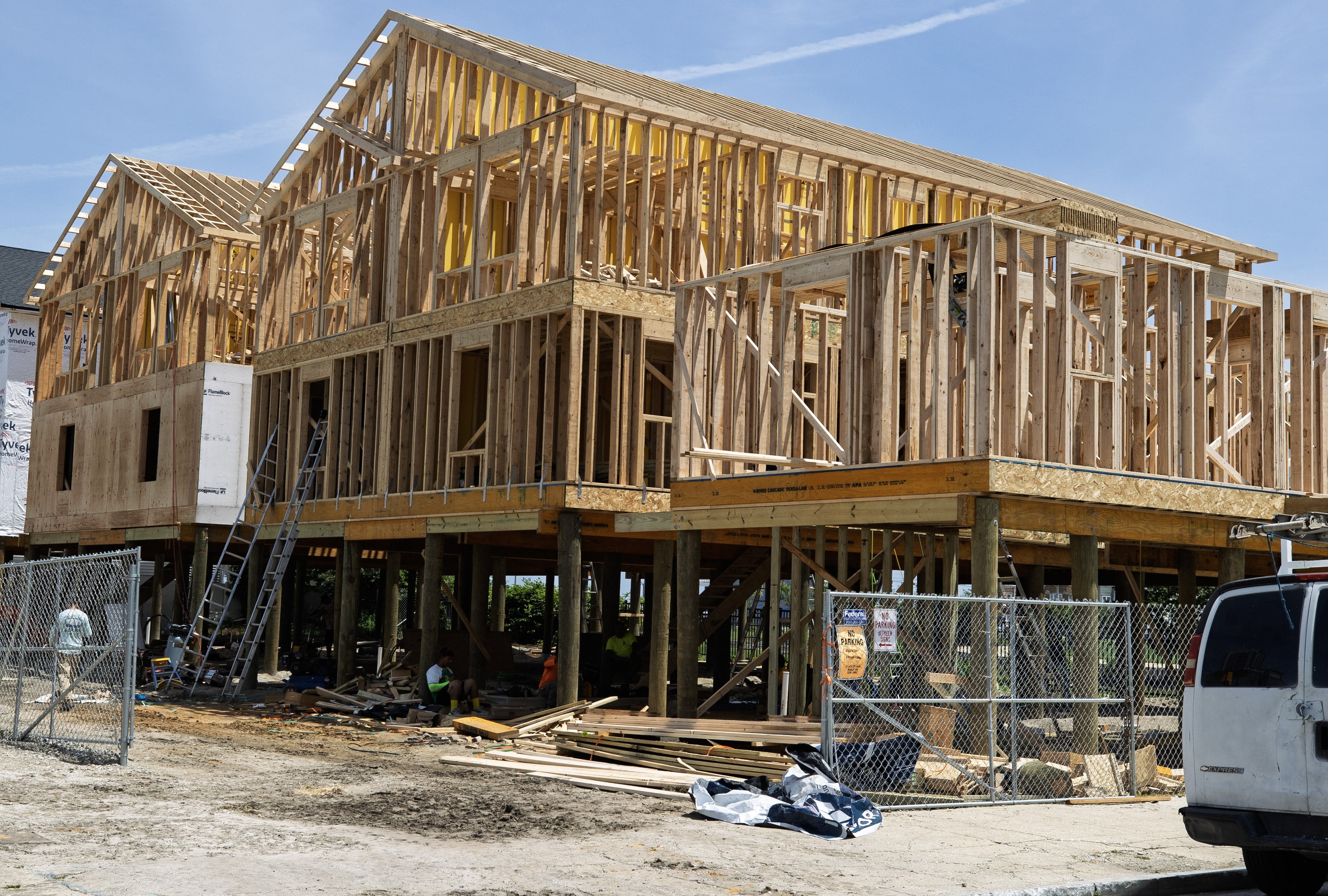
Just a year and a half later, Phase II began construction, adding seven additional luxury residences along with a standalone single-family home featuring panoramic views of the lighthouse and city skyline.
For Groff, Lighthouse Row demonstrates the growing demand for people who want to be in Atlantic City year-round.

Building More Than Homes
Groff believes one of the Atlantic City's greatest strengths is the lifestyle residents and visitors enjoy.
From the beach and Boardwalk to neighborhood restaurants, entertainment, recreation, and attractions, he sees that Atlantic City is offering something few coastal communities can match.
"It's better than any area I'd say," Groff said. "In Atlantic City there's always something to do every weekend. There's stuff to do for everybody."
That quality of life has become an increasingly attractive selling point as more families choose to make Atlantic City home rather than simply visit.
A Development Renaissance
Groff's early investments came years before today's wave of residential construction. Now, he sees the momentum accelerating.
Across Atlantic City, developers are building new housing, revitalizing neighborhoods, and transforming long-vacant properties into productive investments that strengthen the city's tax base and create new opportunities for businesses.
Rather than competing against one another, Groff says developers have embraced collaboration.
"Developers are in constant communication with each other," he explained. "People realize if you buy land, you need to develop on it."
That shared commitment has helped create an environment where success builds upon success, attracting additional investment and encouraging more projects throughout the city.
For Groff, few places better illustrate Atlantic City's potential than the Inlet.
"The Inlet is a blank slate; there's tons of room for development," he said. "It's just vacant land. It's great for the taxpayers to bring in more ratables, it's great for the businesses to bring in more people. It brings up property values. It's a win for everyone."
Every completed home not only provides new housing but also contributes to neighborhood vitality, supports local businesses, and reinforces investor confidence.
Partnership Creates Progress
Groff credits much of his success to the collaborative relationships he has built throughout the development process.
He points to the support of the Mayor Marty Small, Sr. and the Casino Reinvestment Development Authority (CRDA) as important factors that have helped projects move from concept to construction.
"Everything's been fantastic, everyone's been supportive—the city, CRDA—it's been a great experience," Groff said. "No issue with permitting or anything."
That spirit of cooperation continues to encourage developers who are considering Atlantic City for future investments.
Looking Ahead
Despite completing multiple successful projects, Groff believes Atlantic City's story is only beginning. He sees neighborhoods with room to grow, continued demand for residential housing, and increasing confidence among developers who recognize the city's long-term potential.
"This experience has been amazing," he said. "I'll do it until I can't do it anymore—because there's no land left or because everyone else is doing it. It's always been my ultimate dream to see the southeast Inlet built out."
That optimism reflects a broader transformation taking place across Atlantic City.
The cranes rising above neighborhoods, the new homes welcoming families, and the steady stream of investment throughout the city all point toward a future that early believers like Keith Groff envisioned years ago. Long before Atlantic City's current development renaissance captured widespread attention, Groff saw what was possible.
PHOTOS: Lighthouse Row Phase I Completed

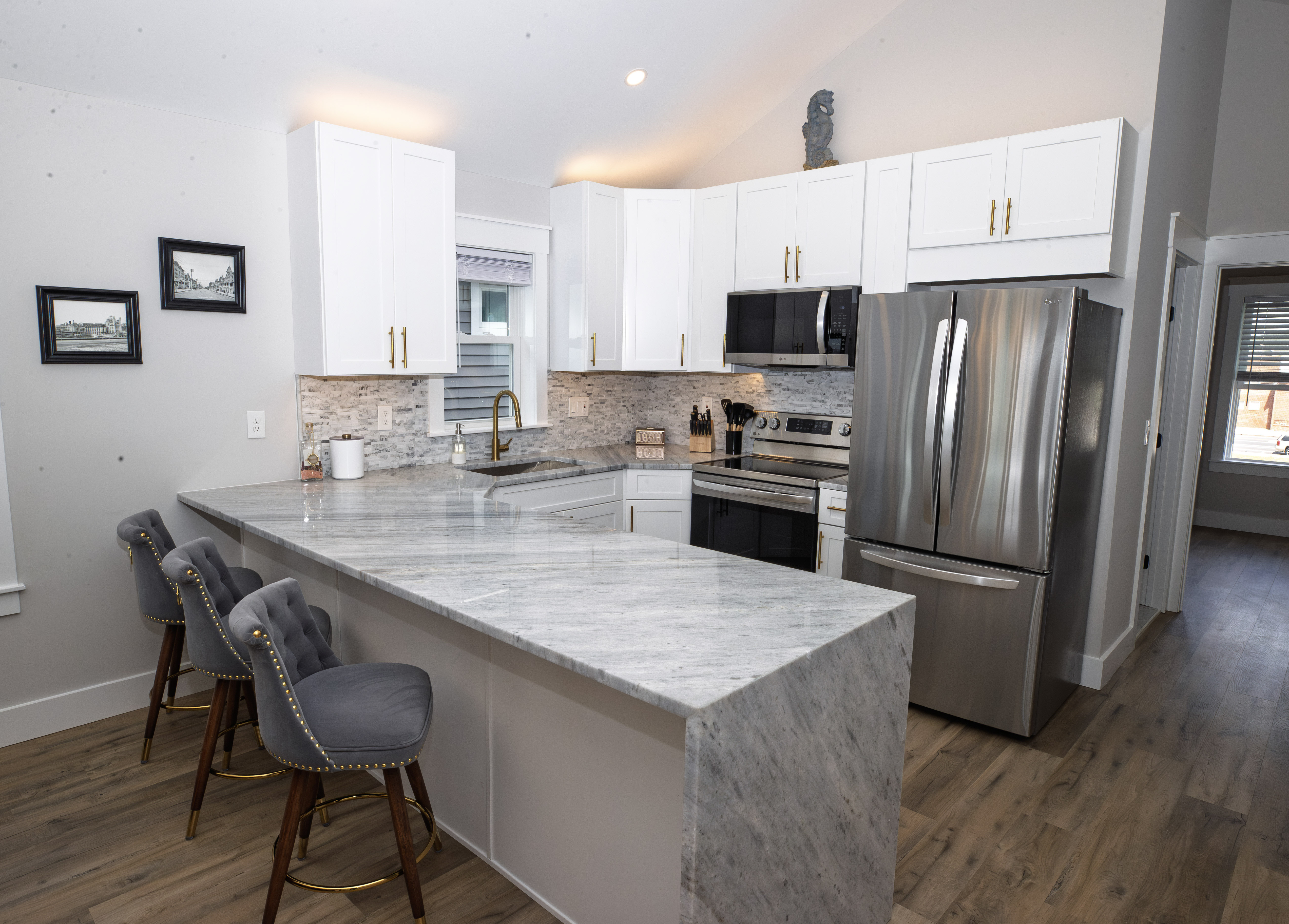
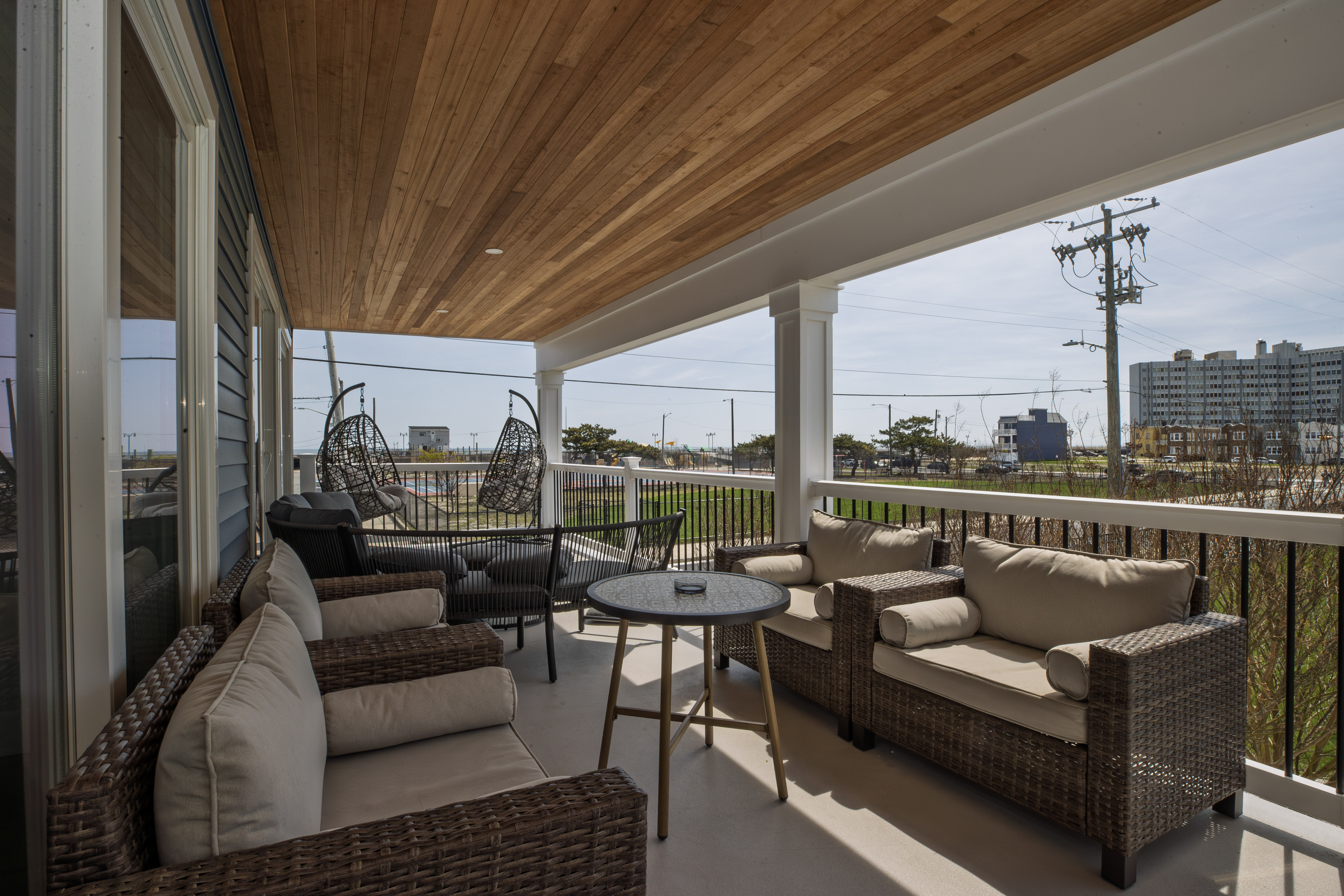
Photos by City of Atlantic City Photographer Edward Lea
Published on
7/29/2026

Strategic Partners


