
Sep 1, 2026
Atlantic City Gains New Tools to Tackle Abandoned Vacant Properties
By:
Andrew Kramer
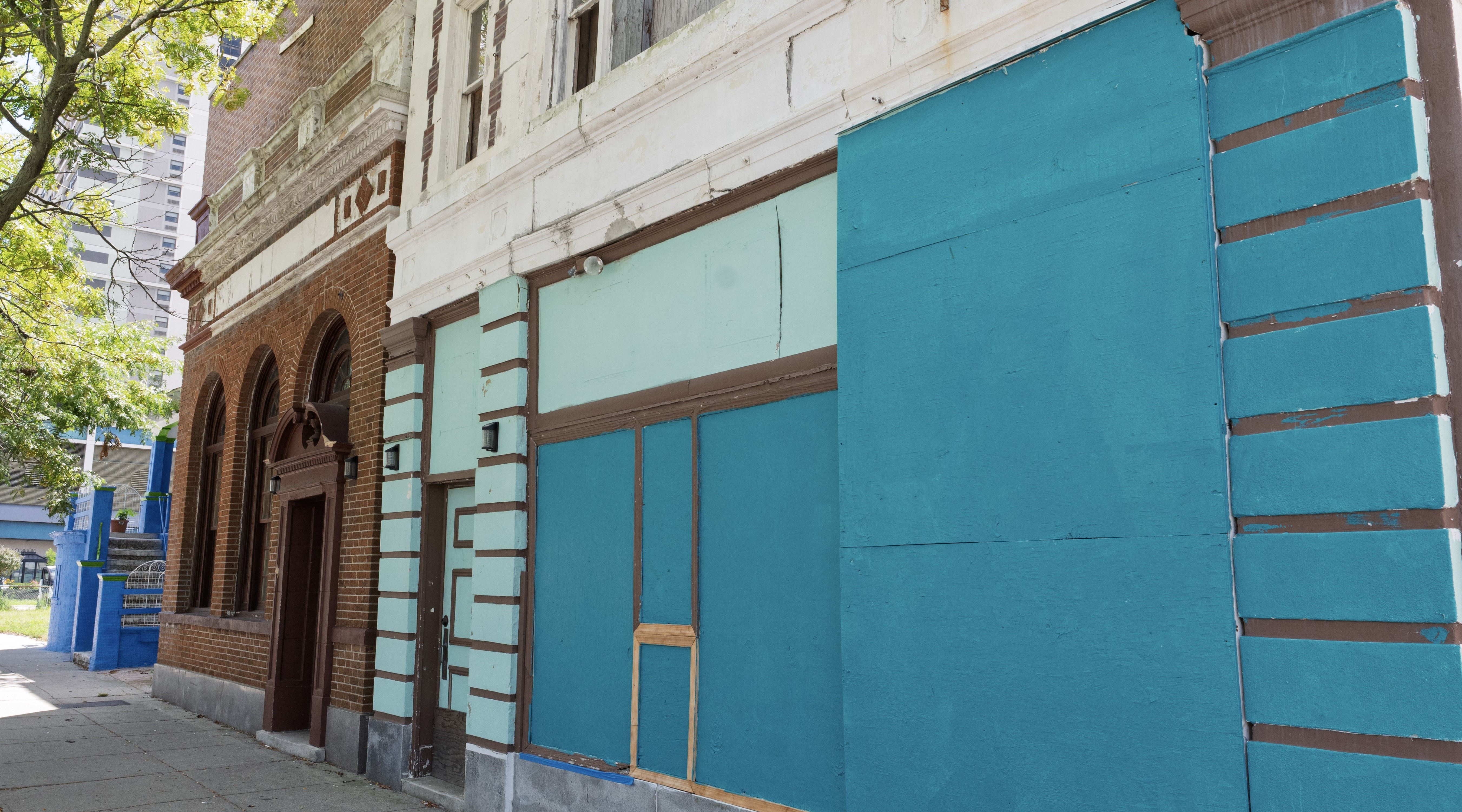
The City Atlantic City has secured new resources to address one of the challenges facing communities across the country: vacant, abandoned and deteriorated properties.
The city has been selected as one of only two New Jersey municipalities to receive a $30,000 Abandoned Property Rehabilitation Act (APRA) Scholarship from the Center for Community Progress. While the funding itself is important, the expertise and guidance that come with the scholarship could have an even greater impact on Atlantic City’s neighborhoods.
Through the program, the city will receive up to 125 hours of technical assistance from national vacant-property experts. The goal is to help Atlantic City strengthen the way it identifies, prioritizes and addresses properties that have fallen into disrepair.
That work comes at an important time for the City. Atlantic City is experiencing significant development and private investment, with new residential projects, businesses and infrastructure improvements taking place across multiple neighborhoods. Addressing properties that remain vacant or deteriorated is an important part of making sure that progress reaches every corner of the city.
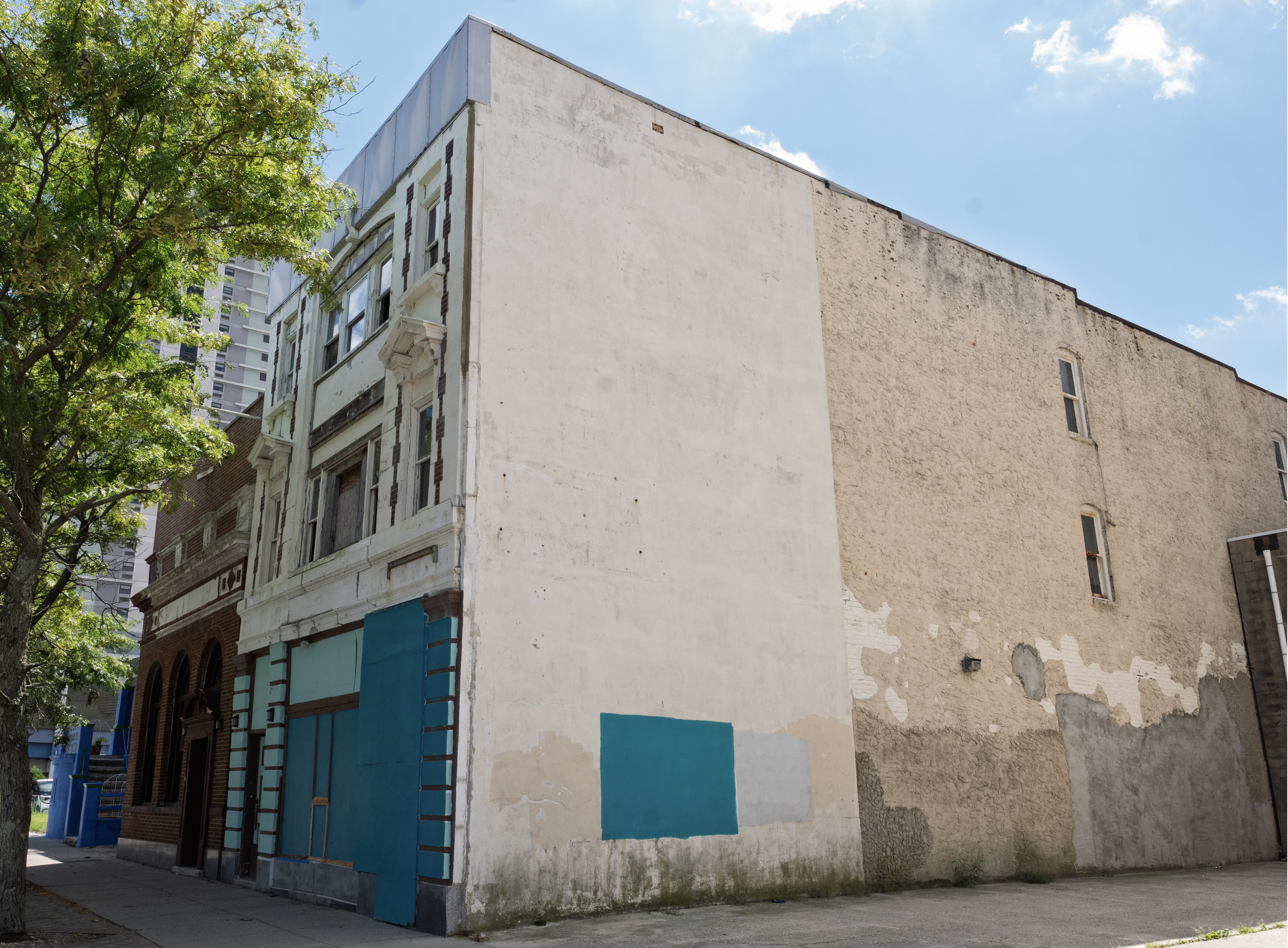
The scholarship will focus on two tools available under New Jersey’s Abandoned Properties Rehabilitation Act. The first is the creation and maintenance of a Vacant Abandoned Properties List, which can help the City systematically identify properties that need attention and prioritize them for action. The second is receivership, a legal tool that can allow a municipality to seek a court-appointed receiver to rehabilitate an abandoned property when an owner is unwilling or unable to make necessary repairs.
Atlantic City is already revising its vacant abandoned property ordinance, making the timing of the scholarship particularly valuable.
“Our goal is to address the challenges associated with vacant and abandoned properties while developing programs that encourage redevelopment, occupancy and productive use of these properties,” said Dale Finch, Director of Licensing & Inspections.
Beyond the technical assistance, the scholarship includes a two-day site visit with City staff, community partners and other stakeholders, as well as a written assessment with recommendations for Atlantic City. Three City representatives will also have the opportunity to attend the Reclaiming Vacant Properties Conference in Pittsburgh, a national gathering that brings together more than 1,000 leaders working on vacant-property and community revitalization issues. The City will also have opportunities to explore potential funding sources and learn from communities around the country facing similar challenges.
As Atlantic City continues to attract new investment, having stronger tools to deal with properties that have been left behind will be an important part of sustaining that momentum and ensuring neighborhoods are positioned to benefit from the city’s broader redevelopment.
Photos by City of Atlantic City Photographer Edward Lea
Published on
9/10/2026

Strategic Partners


